
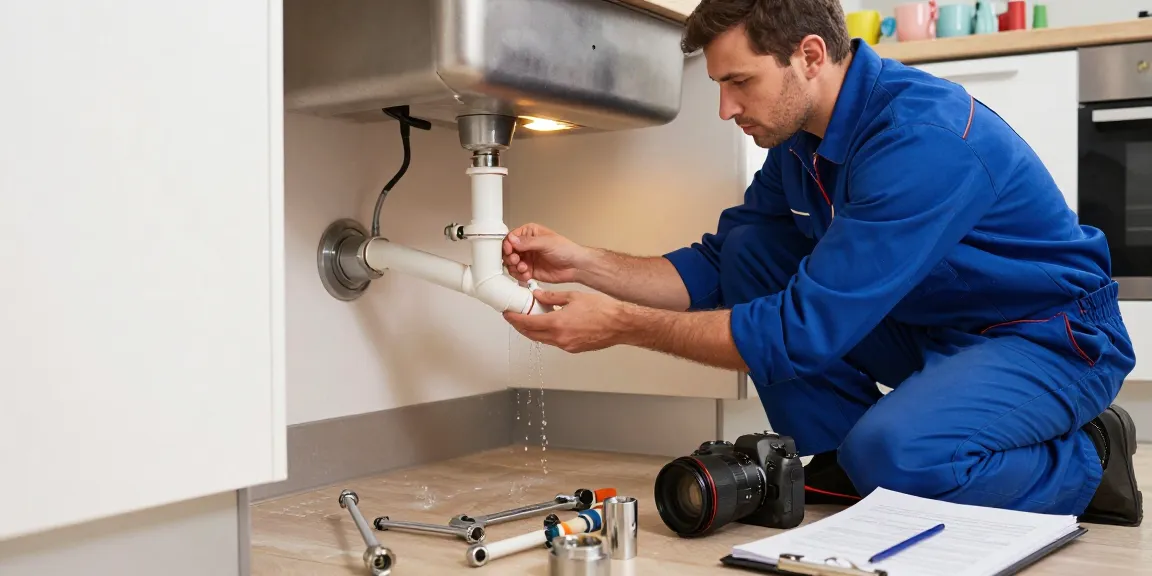
Understanding Plumbing Emergencies
Plumbing emergencies can strike at any time, often when least expected. Whether it’s a sudden leak, a burst pipe, or a sewage backup, these situations demand immediate attention to prevent extensive damage and costly repairs. Understanding what constitutes a plumbing emergency and the common issues that fall under this category is crucial for homeowners. When exploring options, read more here to gain insights on how to respond effectively.
What Constitutes a Plumbing Emergency?
A plumbing emergency typically refers to any situation that poses a risk to your home’s plumbing system or the health and safety of its occupants. Key criteria include:
- Immediate Threat to Property: Any situation that could cause substantial damage, such as flooding due to a burst pipe.
- Health Risks: Issues like sewage backups that can expose residents to harmful pathogens.
- Disruption of Essential Services: Loss of access to clean water or functioning sewage systems, making it impossible to use essential facilities.
Common Types of Plumbing Emergencies
Understanding the types of plumbing emergencies can help you identify and respond promptly to issues:
- Leaking Pipes: Often a result of corrosion or poor installation, leaking pipes can cause extensive damage over time.
- Clogged Drains: Severe clogs can lead to overflow and flooding if not handled quickly.
- Overflowing Toilets: Typically a blocked sewer line or malfunctioning flapper valve that can create unsanitary conditions.
- Water Heater Failures: Sudden failures can lead to leaks, lack of hot water, or even bursts.
Recognizing Signs of Urgent Plumbing Issues
Being able to identify the signs of urgent plumbing issues is vital for timely intervention. Look out for:
- Water stains on walls or ceilings.
- Increased water bills without a clear reason.
- Unusual noises from pipes, such as banging or gurgling.
- Slow drains that worsen over time.
Immediate Steps to Take During a Plumbing Crisis
When faced with a plumbing emergency, taking the right steps can mitigate damage and ensure safety. Here’s what you should do:
Assessing the Situation Before Calling for Help
Begin by evaluating the extent of the issue. Determine if the leak is isolated or widespread. Check for potential hazards, such as electrical appliances near water. This assessment will guide your next steps and inform the plumber about the situation.
Temporary Fixes You Can Do Yourself
In some cases, you may be able to perform temporary fixes to reduce damage until help arrives. Simple actions include:
- Turning off the main water supply to prevent flooding.
- Using towels or buckets to catch drips from leaks.
- Applying duct tape to small leaks as a short-term solution.
When to Call an Emergency Plumber?
If the situation is beyond your control or poses a severe risk, it’s crucial to call a professional. Instances where you should immediately seek help include:
- Flooding that is spreading rapidly.
- Water that appears to be contaminated.
- Persistent sewage odors.
- Non-functional toilets in a household of multiple residents.
Choosing the Right Emergency Plumbing Service
Selecting the appropriate emergency plumbing service can make a significant difference in the outcome of your plumbing crisis. Here are key factors to consider:
What to Look for in a Reliable Plumber
When searching for a plumber, ensure they possess the following qualities:
- Licensing and Insurance: Always verify that the plumber is properly licensed and insured to protect yourself from liability.
- Experience: Choose a plumber who has extensive experience with emergency situations.
- Availability: A reputable emergency plumber should offer 24/7 services.
Questions to Ask Before Hiring
Engaging with a potential plumber can help clarify their capabilities and reliability. Consider asking:
- What is your estimated response time for emergencies?
- Can you provide references or reviews from previous clients?
- What is your pricing structure for emergency calls?
Understanding Pricing and Estimates
Pricing for emergency plumbing can vary widely. Requesting a clear estimate before services commence can prevent unexpected costs. Be wary of:
- Hourly rates versus flat fees.
- Additional charges for parts or after-hours service.
- Cancellation policies.
Preventative Measures to Avoid Future Emergencies
Preventive measures can save you from plumbing emergencies in the future. Here are some actionable strategies:
Routine Maintenance Tips for Homeowners
Regular maintenance goes a long way in preventing plumbing disasters. Consider implementing:
- Biannual inspections by a qualified plumber.
- Cleaning drains with natural solutions to prevent buildup.
- Flushing water heaters annually to remove sediment.
Common Plumbing Problems and How to Prevent Them
Addressing common issues proactively can mitigate risks. Some frequent problems include:
- Tree Roots: Regularly assess outdoor plumbing for tree root intrusion.
- Pipe Corrosion: Monitor aging pipes and consider repiping for older homes.
- Clogged Drains: Encourage careful disposal of food and non-flushable items.
Investing in Quality Plumbing Solutions
Investing in high-quality fixtures and materials can pay off in the long run. Consider:
- Replacing outdated plumbing systems with newer, more reliable technology.
- Opting for professional installation to ensure quality.
Future Trends in Plumbing Services (2026 and Beyond)
As technology evolves, so do plumbing services. Here’s a look at what’s on the horizon:
The Role of Technology in Modern Plumbing
Digital monitoring systems and smart technology are becoming more commonplace. These innovations allow homeowners to:
- Detect leaks early through sensors.
- Monitor water usage in real-time.
Eco-Friendly Solutions for Plumbing Emergencies
With increasing emphasis on sustainability, eco-friendly plumbing solutions are gaining traction. Options include:
- Water-efficient fixtures that reduce consumption.
- Recycled materials for pipes and fittings.
Adaptations to Emergency Services Post-Pandemic
The COVID-19 pandemic has influenced how emergency plumbing services operate, with increased sanitation measures and virtual consultations becoming the norm. Customers can expect:
- Enhanced safety protocols during on-site visits.
- Remote troubleshooting options for minor issues.
How to Prepare for a Plumbing Emergency?
Preparation can make a significant difference in how you handle plumbing crises. Consider creating an emergency plan that includes:
- Emergency contact information for local plumbers.
- Shutting off water supply locations.
- Basic plumbing knowledge to assist during emergencies.
What are the Most Common Plumbing Issues at Home?
Some prevalent plumbing issues that households face include:
- Leaky faucets and toilets.
- Slow or clogged drains.
- Low water pressure problems.
How to Choose an Emergency Plumber for Your Home?
Choosing an emergency plumber involves careful consideration. Look into:
- Local reputations and reviews.
- Emergency response times and availability.
What Temporary Solutions Can You Use for a Leak?
In the case of plumbing leaks, some emergency solutions include:
- Using towels to absorb excess water.
- Applying sealants for small pipe leaks as a quick fix.
What are the Benefits of Regular Plumbing Inspections?
Regular inspections can offer several advantages including:
- Early detection of potential issues.
- Increased lifespan of plumbing systems.
- Lower overall repair costs by addressing issues before they escalate.


