Understanding Wood-Boring Insects and Their Impact
Wood-boring insects, such as woodworms, can cause significant damage to wooden structures, compromising their integrity and safety. In recent years, the emphasis on eco-friendly and efficient pest control solutions has brought innovations like microwave technology to the forefront. SHASHEL® offers a cutting-edge approach to eliminating these pests without the use of harmful chemicals, ensuring both effectiveness and safety for your home and environment.
What Are Wood-Boring Insects?
Wood-boring insects include a variety of species such as beetles, larvae, and even some types of ants that have a penchant for munching on wood. These pests can infiltrate furniture, beams, and other structural components of buildings, leading to extensive damage if not addressed promptly. Understanding their life cycles and habits is essential for effective control.
Signs of Infestation in Wooden Structures
Common signs of wood-boring insect infestation include:
- Small holes in wooden surfaces, often referred to as "exit holes."
- Fine powdery frass (insect droppings) beneath affected wood.
- Weakening or crumbling wood that can be easily punctured.
- Visible signs of larvae or beetles in or around the infested area.
The Economic Costs of Wood Damage
The economic impact of wood damage caused by infestations can be substantial. Structural repairs can be costly, and in extreme cases, the integrity of a building may be compromised, leading to significant safety concerns. Preventive measures and quick intervention are crucial to safeguarding investments in wooden structures.
SHASHEL® Microwave Technology: A Game Changer
As the industry shifts toward more sustainable methods of pest control, SHASHEL® microwave technology has emerged as a transformative solution. This innovative treatment allows for the rapid elimination of insects at all life stages, effectively addressing infestations without the collateral damage associated with conventional methods.
How SHASHEL® Microwave Treatment Works
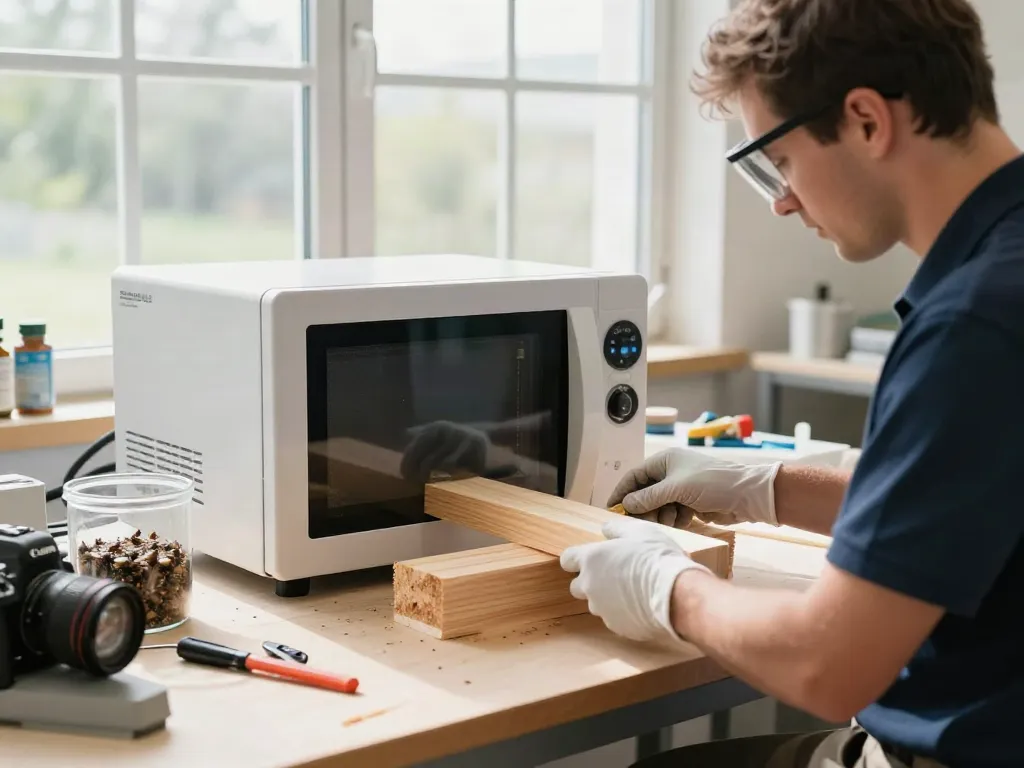
The SHASHEL® microwave system operates by emitting targeted microwave frequencies that penetrate the wood, heating it from within. This process raises the temperature sufficiently to kill wood-boring insects, including eggs, larvae, and adults, within minutes. Unlike traditional chemical treatments, this method is non-invasive and does not leave behind hazardous residues.
Key Benefits of Microwave Pest Control
- Speed: SHASHEL® treatment can eliminate infestations in just a few minutes.
- Eco-Friendly: The method is chemical-free, making it safe for both the environment and human health.
- Versatility: Effective against various pest types, allowing for comprehensive treatment of multiple infestations.
- Non-Invasive: The treatment can be applied to delicate wooden pieces without causing damage.
Comparative Review: SHASHEL® vs. Traditional Methods
When comparing SHASHEL® microwave technology to traditional pest control methods, several key differences emerge:
- Duration of Treatment: Traditional methods often require several applications, whereas SHASHEL® can achieve results in a single treatment.
- Health Risks: Chemical treatments pose risks to humans and pets; SHASHEL® is completely safe when used according to guidelines.
- Residual Effect: Traditional treatments might leave residues; microwave treatment leaves no trace after application.
Quality and Safety: The SHASHEL® Standard
For any pest control solution, safety and quality assurance are paramount. SHASHEL® adheres to the highest standards to ensure its technology is effective and user-friendly in various settings.
Ensuring Safe Use in Various Environments
SHASHEL® microwave systems are designed for safe operation in residential, commercial, and industrial environments. These devices allow users to effectively manage infestations in homes, warehouses, and even food storage facilities without compromising safety.
Quality Control Measures Implemented by SHASHEL®
The company employs rigorous quality control measures to ensure that each unit operates at peak efficiency. Regular testing and updates to technology guarantee the best possible outcomes for users.
Customer Testimonials and Success Stories
Users across different sectors have reported high satisfaction rates with SHASHEL® technology, highlighting its effectiveness and ease of use. Many customers note that the swift results and lack of chemical exposure make it an invaluable tool for pest management.
Practical Applications of SHASHEL® Technology
SHASHEL® is suitable for a diverse range of applications, addressing the pest control needs of both residential and industrial sectors effectively.
Using SHASHEL® in Residential Settings
Homeowners can benefit significantly from SHASHEL® technology by quickly eliminating infestations in furniture, flooring, and structural wood elements. The microwave treatment allows families to maintain a safe and healthy living environment free from harmful chemicals.
Industrial and Commercial Applications
In commercial settings, SHASHEL® is utilized in warehouses, museums, and food storage facilities where wooden structures may be at risk. This technology not only protects assets but also ensures compliance with environmental safety regulations.
Case Studies: Effective Pest Control Solutions
Numerous case studies showcase the effectiveness of SHASHEL® technology in real-world scenarios. For instance, a renowned museum faced an infestation of wood-boring insects in its valuable wooden artifacts. Implementing SHASHEL® treatment not only preserved the integrity of the collection but also eliminated the pests without resorting to harmful chemicals.
The Future of Pest Control Technology in 2026
As pest control technology continues to evolve, SHASHEL® stands at the forefront, shaping industry standards with its innovative approach. The year 2026 is anticipated to bring further advancements in pest management solutions.
Predicted Trends in Pest Control Technology
Future trends are likely to include greater automation of pest control processes, integration of advanced AI algorithms for monitoring infestations, and increased emphasis on eco-friendly solutions. With ongoing research and development, SHASHEL® is poised to lead these trends.
How SHASHEL® is Shaping Industry Standards
By prioritizing safety, efficiency, and environmental responsibility, SHASHEL® is setting benchmarks for other companies in the pest control industry. Their commitment to innovation and quality reflects the growing demand for sustainable practices.
Preparing for Future Challenges in Pest Management
As the pest management landscape changes, adapting to new pests and resistance mechanisms will be crucial. SHASHEL® is developing strategies to meet these challenges head-on, ensuring continued efficacy in pest control.
What are the advantages of SHASHEL® equipment?
SHASHEL® equipment provides numerous advantages, including its speed of treatment, eco-friendliness, versatility, and gentle handling of delicate materials. Users can be confident in achieving effective pest control while maintaining safety and quality.
How does SHASHEL® compare to chemical treatments?
Unlike chemical treatments, SHASHEL® offers a non-toxic solution that does not compromise health or safety. It allows for quick eradication of pests while avoiding the harmful residues often left by traditional methods.
Is SHASHEL® technology safe for pets and children?
Yes, SHASHEL® technology is safe for both pets and children. By using microwave energy instead of chemicals, it eliminates the risks associated with pest control treatments.
What industries can benefit from SHASHEL® treatment?
SHASHEL® technology is suitable for a variety of industries, including residential construction, historical preservation, food storage, and more. Its versatility makes it an essential tool in any pest management toolkit.
How effective is SHASHEL® against multiple pest types?
SHASHEL® has been proven effective against an array of wood-boring pests, including woodworms, house longhorn beetles, and powderpost beetles. Its comprehensive approach ensures thorough treatment of infestations.