Understanding Precision CNC Machining
Precision CNC machining has emerged as a cornerstone of modern manufacturing, enabling industries to produce intricate components with unmatched accuracy and efficiency. With the continual evolution of technology and methodologies, the demand for skilled precision cnc machining supplier has never been greater. This article delves into the nuances of CNC machining, the significance of choosing a reputable supplier, and the various applications that range from aerospace to medical devices.
What is Precision CNC Machining?
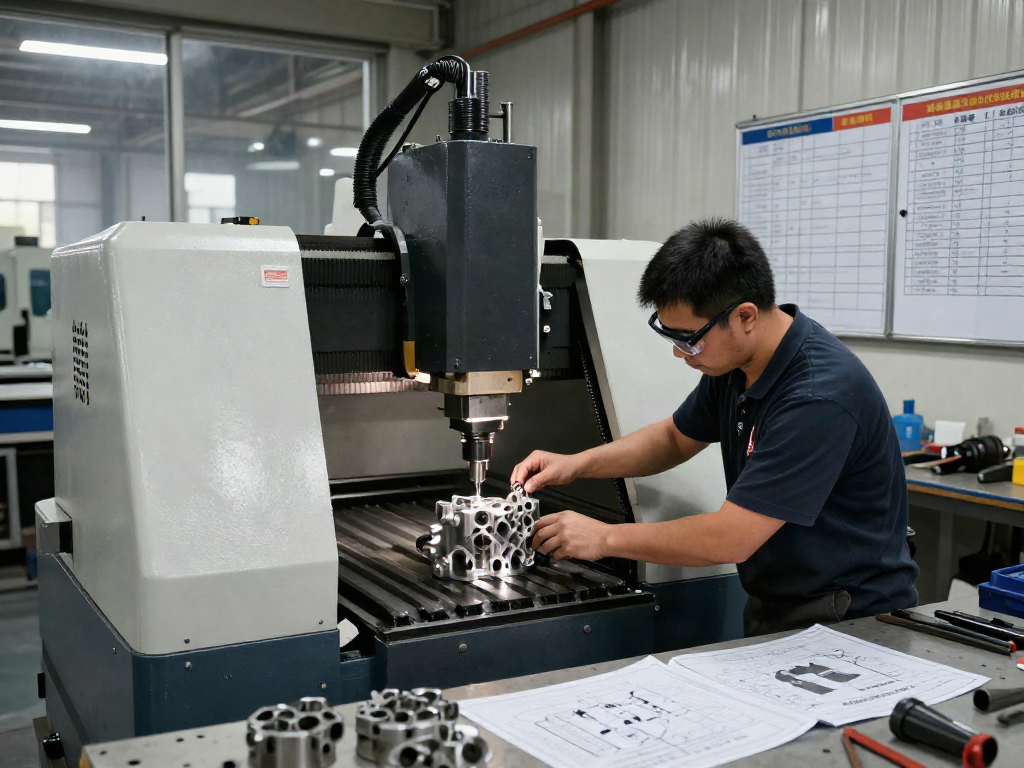
At its core, precision CNC (Computer Numerical Control) machining refers to the process of removing material from a workpiece to create a desired shape or feature. This can involve various techniques, including milling, turning, and drilling, all controlled by computer programs that dictate the machine's movements. The precision aspect highlights the ability to produce parts within tight tolerances, often reaching as low as 0.001 inches, which is critical for functionalities in high-stakes industries.
Importance of Choosing a Reliable Supplier
The reliability of a CNC machining supplier can significantly impact production timelines and product quality. A reputable supplier not only adheres to strict quality standards but also maintains open lines of communication and a deep understanding of the client's requirements. This partnership is crucial for ensuring that the final products meet the exact specifications needed for their intended applications.
Common Applications Across Industries
Precision CNC machining plays a vital role in numerous sectors, including:
- Aerospace: Components such as turbine blades and airframe structures demand high precision due to safety and performance requirements.
- Medical: Instruments and implants, like surgical tools, require both accurate tolerances and biocompatibility.
- Automotive: Parts like engine blocks and gear components are manufactured to withstand extreme pressures and environmental conditions.
- Electronics: The production of housings and intricate circuit boards necessitates fine details and precision.
Identifying Supplier Risks
Typical Dangers in CNC Supply Chains
While CNC machining offers myriad benefits, the supply chain is fraught with potential risks. These can include:
- Quality Assurance Failures: Inconsistent part quality can lead to catastrophic failures in critical applications.
- Communication Breakdowns: Misunderstandings regarding specifications can delay projects and increase costs.
- Supply Chain Disruptions: Factors like geopolitical tensions or natural disasters can hinder material availability.
How to Spot Red Flags in Potential Suppliers
To identify suitable partners, businesses should be aware of several red flags:
- Lack of Certifications: Reliable suppliers often hold industry certifications, ensuring they adhere to quality standards.
- Poor Communication: Difficulty in obtaining timely responses may indicate potential future issues.
- Negative Reviews: Customer feedback can provide insights into operational weaknesses.
Case Studies of Supplier Failures
Failures in CNC supply chains can provide valuable lessons. For instance, a major automotive company faced significant production delays when one of its suppliers failed to deliver precision-engineered components on time. The ensuing financial repercussions highlighted the critical nature of choosing reliable partners, as well as the need for contingency plans.
Best Practices for Selecting a CNC Machining Supplier
Criteria for Evaluating Quality and Reliability
When searching for a CNC machining supplier, consider the following criteria:
- Experience: Look for suppliers with a proven track record in the specific industry.
- Technology: Ensure they utilize up-to-date equipment for precision machining.
- Customer Support: Strong after-sales support indicates commitment to customer satisfaction.
Importance of Certifications and Standards
Certifications such as ISO 9001 or AS9100 demonstrate a supplier's commitment to quality management and are vital indicators of reliability. These certifications show that the supplier adheres to industry standards, ensuring consistent quality in their processes.
Building Long-term Relationships with Suppliers
Long-term partnerships often yield better results, as suppliers become familiar with specific needs and workflows. By fostering communication and providing feedback, companies can work collaboratively to enhance product quality and efficiency.
Emerging Trends in CNC Machining for 2026
Impact of Technology on Precision Machining
Technological advancements are reshaping precision CNC machining. Innovations such as 5-axis machining and automation are revolutionizing production methods, allowing for more complex geometries and faster turnaround times. The integration of artificial intelligence into CNC programming is also enhancing precision and reducing human error.
Shifts in Supplier Expectations and Market Demands
Suppliers are increasingly expected to provide not only precision but also flexibility and speed. The rise of just-in-time manufacturing has made it imperative for suppliers to adapt quickly to changing demands and to produce smaller batches of custom pieces without compromising quality.
Sustainability in CNC Machining Practices
As environmental consciousness grows, CNC machining suppliers are adopting sustainable practices. This includes optimizing the use of materials to reduce waste and employing energy-efficient technologies. Companies are now looking for partners that prioritize sustainability without sacrificing performance.
Measuring Success with CNC Suppliers
Key Performance Indicators for Partnerships
To evaluate the effectiveness of a CNC machining partnership, companies should monitor various Key Performance Indicators (KPIs), including:
- Delivery Timeliness: Meeting deadlines is crucial for keeping production schedules on track.
- Defect Rates: Monitoring the quality of parts produced can help identify issues early in the process.
- Cost Efficiency: Understanding the cost versus value received from the supplier is essential for long-term viability.
Feedback Loops and Continuous Improvement
Effective feedback mechanisms between manufacturers and suppliers are vital. Regular discussions about quality and performance can lead to improvements in processes and products, fostering a culture of continuous enhancement.
Future Predictions for CNC Machining Suppliers
As we look ahead, CNC machining suppliers will likely face challenges related to advanced materials and technologies, requiring continual adaptation to maintain competitive advantages. The ability to pivot quickly in response to market demands will distinguish the leaders from the followers in this dynamic landscape.
What are the typical costs associated with precision CNC machining?
The costs of precision CNC machining vary significantly based on factors such as material choice, complexity, batch size, and machining time. Understanding the cost structure helps companies better budget for their projects and align expectations.
How can I ensure quality in parts produced by CNC machining suppliers?
Quality assurance can be maintained by selecting reputable suppliers, establishing clear specifications, and implementing regular inspection processes throughout the manufacturing cycle.
What certifications should I look for in a CNC machining supplier?
Look for suppliers with relevant certifications such as ISO 9001, AS9100, or specific industry standards that demonstrate their commitment to quality and process reliability.
How has technology impacted CNC machining in recent years?
The introduction of automation, artificial intelligence, and advanced materials has enhanced the capabilities of CNC machining, allowing for greater efficiency and complexity in production.
What are the benefits of local vs. overseas CNC machining suppliers?
Local suppliers often provide faster turnaround times and easier communication, while overseas suppliers may offer cost savings. Businesses must weigh these factors against their specific needs and market conditions.