
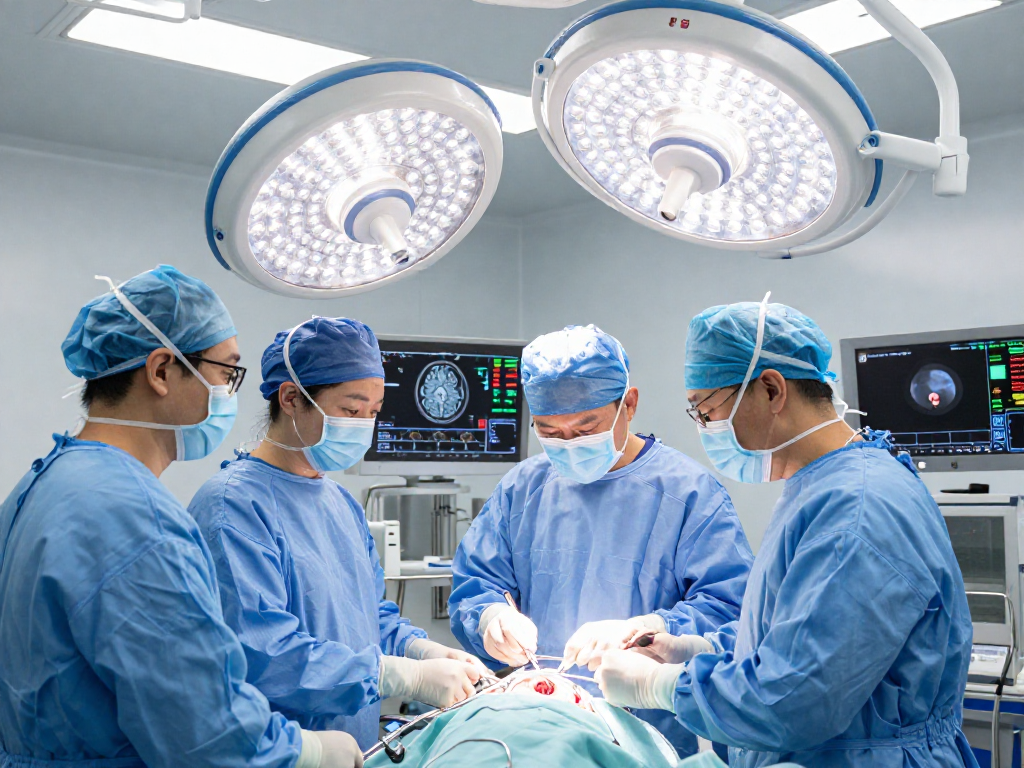
Understanding Brain Tumors and Surgical Procedures
Brain tumors represent a complex and challenging area in neurosurgery, impacting thousands of individuals each year. These tumors can be classified as either benign or malignant, and their treatment often involves surgical intervention. The surgical approach to brain tumors, or beyin tümörü ameliyatı, requires precision, advanced technology, and a multidisciplinary understanding of the patient's condition. This article will explore various aspects of brain tumors and the associated surgical procedures, covering diagnosis, treatment options, and post-operative care.
What are Brain Tumors?
Brain tumors are abnormal growths of cells within the brain. They can originate from brain cells or spread from other parts of the body (metastatic tumors). The growth rate and location of the tumor can significantly affect the treatment and prognosis. Symptoms may include headaches, seizures, changes in cognitive function, and motor difficulties, depending on the tumor's size and location.
Types of Brain Tumors
Brain tumors can be categorized into primary and secondary types. Primary brain tumors arise from the tissues of the brain itself, while secondary brain tumors originate from cancer in other parts of the body. Major types include:
- Meningiomas: Generally benign and arise from the meninges, the protective layers surrounding the brain.
- Glial tumors: Including glioblastoma multiforme (GBM), which are often aggressive and malignant.
- Metastatic tumors: Resulting from cancer spreading to the brain from other locations, such as lungs or breasts.
Importance of Accurate Diagnosis
Accurate diagnosis is crucial for effective treatment planning. This typically involves a combination of imaging studies such as MRI and CT scans, along with histopathological examinations following biopsy. Determining the tumor's type, grade, and location guides the selection of appropriate surgical and adjuvant treatment strategies.
The Process of Beyin Tümörü Ameliyatı
The process of beyin tümörü ameliyatı involves several critical steps that ensure optimal outcomes for patients. From pre-surgical assessments to post-operative recovery, each phase is designed to maximize safety and efficacy.
Pre-Surgery Preparation
Before surgery, a thorough assessment is conducted, including detailed imaging to establish the tumor’s characteristics. Patient history is reviewed, and necessary blood tests are performed. Patients may also receive corticosteroids to reduce edema around the tumor and ensure the best surgical conditions. Education about the procedure, potential risks, and recovery expectations is crucial for patient empowerment.
During the Surgery: Techniques and Technologies
Advancements in surgical techniques have revolutionized the approach to brain tumor resection. Techniques such as:
- MRI-guided surgery: Allows for real-time imaging during the operation.
- Endoscopic techniques: Enable minimally invasive approaches for accessing certain tumor types.
- Awake craniotomy: Involves patients being awake during parts of the surgery to monitor brain function and preserve critical areas responsible for speech and motor skills.
Post-Surgery Recovery and Care
Post-operative care is essential for helping patients recover effectively. Patients typically undergo monitoring in a recovery unit for any immediate complications. Follow-up imaging, often through MRIs, is performed to evaluate the extent of tumor removal and to check for the presence of residual tumor. Rehabilitation may include physical therapy, occupational therapy, and speech therapy, depending on the surgery's impact on the patient’s functions.
Specific Types of Brain Tumors Treated with Surgery
Understanding the unique characteristics and treatment approaches for specific tumor types is essential as they often require tailored surgical strategies.
Meningiomas: Characteristics and Treatment Options
Meningiomas are the most common type of primary brain tumor and are typically benign. They grow from the protective layers of the brain and can often be completely removed surgically. The surgical approach may involve:
- Craniotomy: Opening the skull to access and remove the tumor.
- Stereotactic radiosurgery: For tumors that are hard to access surgically or when complete removal poses significant risks.
The treatment of meningiomas often results in favorable outcomes, particularly for those classified as WHO Grade 1.
Glial Tumors: Understanding GBM
Glial tumors, particularly glioblastoma multiforme (GBM), represent some of the most aggressive forms of brain tumors. Surgical intervention aims for maximal resection, often combined with adjuvant therapies such as:
- Radiation therapy: To target residual tumor cells post-surgery.
- Chemotherapy: Typically involving temozolomide, which has been shown to improve survival rates.
Due to their aggressive nature, GBMs require a comprehensive treatment path that is continuously evaluated and adjusted based on the patient's response.
Metastatic Brain Tumors: Management Strategies
Management of metastatic brain tumors is complex and requires a multidisciplinary approach. Treatment options may include:
- Systemic therapy: Addressing the primary cancer source.
- Surgery and/or radiation: To relieve symptoms or control local tumor growth.
The approach must consider the patient’s overall prognosis, the number of metastases, and the primary tumor characteristics.
Risks and Challenges of Brain Tumor Surgery
Like any surgical procedure, brain tumor surgery carries inherent risks and potential complications. Understanding these is critical for informed consent.
Potential Complications and Side Effects
Complications can arise during or after surgery, including:
- Infection at the surgical site.
- Neurological deficits, such as weakness or speech difficulties.
- Cerebrospinal fluid leaks.
Patients are monitored closely for these risks, and management protocols are in place to address any complications promptly.
Managing Surgical Risks
Effective management of surgical risks involves a combination of preoperative planning, intraoperative monitoring, and postoperative care strategies. Techniques such as functional MRI and intraoperative neuronavigation assist surgeons in minimizing damage to critical brain areas.
Patient Support Systems
Psychosocial support plays a crucial role in recovery. Patients benefit from counseling services, support groups, and rehabilitation programs that address both physical and emotional needs.
Future of Brain Tumor Surgery and Innovations
The future of brain tumor surgery is promising, with ongoing research leading to innovative techniques and technologies that enhance patient care.
Emerging Technologies in Neurosurgery
Advancements such as:
- Robotics: Enhancing precision in delicate surgeries.
- Artificial intelligence: Assisting in diagnostic processes and treatment planning.
- 3D printing: Allowing for the creation of patient-specific surgical models for preoperative planning.
Expected Advancements by 2026
By 2026, we can anticipate major advancements in imaging technology, which will likely lead to more accurate diagnoses and targeted therapies. Integration of machine learning in surgical techniques may further reduce risks and improve outcomes.
Role of Multidisciplinary Teams in Patient Outcomes
Effective treatment of brain tumors requires collaboration among various specialists, including neurosurgeons, oncologists, radiologists, and rehabilitation experts. This multidisciplinary approach ensures comprehensive care tailored to meet the unique needs of each patient.
What Are the Long-Term Prognosis Indicators?
Long-term prognosis for patients following brain tumor surgery depends on various factors, including:
- The tumor type and grade.
- Resection margins.
- Adjuvant therapy responses.
- Patient age and overall health.
FAQs About Beyin Tümörü Ameliyatı
What Are the Common Symptoms of a Brain Tumor?
Common symptoms of brain tumors can include persistent headaches, seizures, visual disturbances, and cognitive changes. These symptoms vary widely depending on the tumor’s location within the brain.
How is a Brain Tumor Diagnosed?
Diagnosis typically involves a combination of imaging studies, such as CT and MRI scans, followed by a biopsy to confirm the presence and type of tumor.
What Should Patients Expect Post-Operation?
Post-operative expectations can vary; common experiences include fatigue, discomfort at the surgical site, and the need for rehabilitation. Follow-up care is vital to monitor the recovery process.
Are There Alternatives to Surgery for Brain Tumors?
Alternatives to surgical intervention may include radiation therapy, chemotherapy, and observational management for asymptomatic tumors.
How Long is the Recovery After Beyin Tümörü Ameliyatı?
Recovery duration is dependent on several factors, including the type of tumor, extent of surgery, and overall patient health, typically ranging from several weeks to a few months.. Additionally, beyin tümörü ameliyatı provides further details.