Understanding the Attractiveness Test
In a world where image plays a critical role in personal branding and social interactions, understanding one's attractiveness can have profound implications. The attractiveness test offers individuals an opportunity to analyze their facial features through advanced algorithms, providing insights that extend beyond mere aesthetic judgments. This article delves into the nuances of attractiveness testing, exploring its components, relevance, and how technology, particularly artificial intelligence, is shaping beauty assessments today.
What Is an Attractiveness Test?
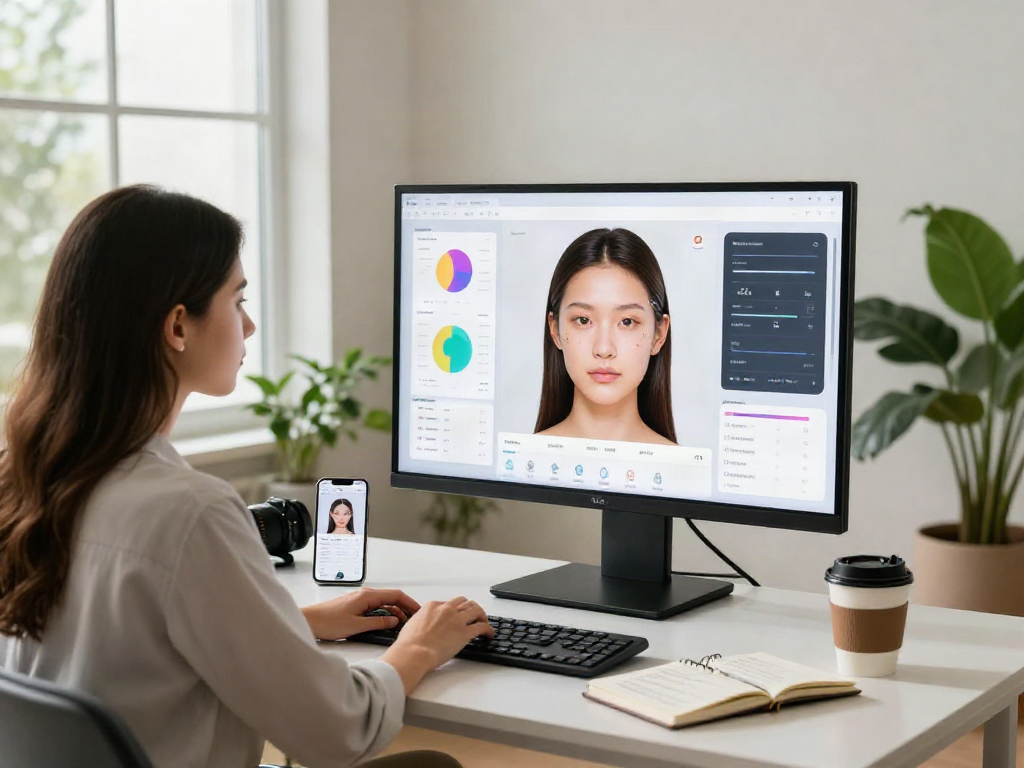
An attractiveness test is a systematic evaluation that determines the aesthetic appeal of one's face based on various physiological and mathematical parameters. These tests leverage algorithms and artificial intelligence to analyze facial features, such as symmetry, proportion, and alignment, producing a score or rating that reflects perceived attractiveness. Commonly found in online formats, these tests have gained popularity due to their accessibility, offering users quick feedback on their appearance.
Key Components of Attractiveness
Attractiveness is not solely based on personal opinion; it is often rooted in universal standards grounded in biology and cultural perceptions. Some key components include:
- Facial Symmetry: Symmetrical faces are generally perceived as more attractive. Studies indicate that symmetry can be an indicator of genetic health and fitness.
- Facial Proportions: The golden ratio is a mathematical ratio frequently associated with beauty in art and architecture, and it also applies to human faces.
- Skin Quality: Clear, smooth skin is often associated with youth and health, contributing to attractiveness.
- Facial Structure: Features such as cheekbone prominence and jawline shape can impact perceptions of attractiveness.
How AI Enhances Beauty Assessments
Artificial intelligence has revolutionized the way we assess beauty. By utilizing machine learning and facial recognition technology, AI tools can analyze thousands of facial characteristics in a matter of seconds. These evaluations can provide personalized feedback, helping individuals understand their strengths and areas for improvement. As technology advances, the accuracy of these assessments continues to improve, making attractiveness tests more reliable than ever.
How to Take an Attractiveness Test
Step-by-Step Guide to Uploading Your Photo
Taking an attractiveness test is a straightforward process:
- Select a Test: Choose a reputable platform that offers an attractiveness test. Ensure that it utilizes AI for accurate assessments.
- Upload Your Photo: Follow the prompts to upload a clear and well-lit photo of your face. The image quality will directly affect the accuracy of the assessment.
- Get Your Results: After analysis, you will receive a score and possibly a breakdown of your features based on the testing criteria.
- Review Feedback: Use the insights gained to enhance your personal presentation or as a guide for self-improvement.
Interpreting Your Attractiveness Score
Your attractiveness score is typically a numerical value that ranks your facial appeal on a defined scale. Higher scores may suggest greater symmetry and proportion, while lower scores may indicate features that deviate from conventional beauty standards. It’s important to approach these scores with a critical mind; they are one perspective on beauty and should not define your self-worth.
Common Mistakes When Taking the Test
Many users may inadvertently compromise their results. Here are common pitfalls to avoid:
- Poor Lighting: Dark or overly bright photos can distort features and affect accuracy.
- Obstructed Views: Ensure your face is fully visible; wearing sunglasses or hats can lead to misleading evaluations.
- Inconsistent Angles: Always upload images taken from the same angle for consistent results.
Factors Influencing Attractiveness Scores
Physical Traits: Symmetry and Proportion
Physical traits are the cornerstone of attractiveness assessments. Symmetry is scientifically backed as a primary factor in perceived beauty. Individuals with symmetrical features tend to be judged as more attractive due to inherent biological cues. Proportionality, as dictated by the golden ratio, also plays a substantial role, as it aligns with our innate preferences for balance and harmony in human faces.
Cultural and Societal Standards
Cultural influences greatly shape beauty standards. These standards can vary significantly across different societies and can evolve over time. For instance, while Western cultures may prioritize features like elongated facial structures, other cultures may celebrate rounder faces and fuller features. Understanding these cultural contexts is crucial when interpreting attractiveness scores.
The Role of Personal Presentation
Attractiveness is also influenced heavily by personal presentation. Factors such as grooming, makeup, and fashion choices can enhance or diminish perceived attractiveness. Additionally, body language and confidence play vital roles in how attractiveness is perceived by others, which is often not captured in a static photo analysis.
Real-World Applications of Attractiveness Tests
Using Tests in Personal Branding
In an age where personal branding is critical for success, individuals often turn to attractiveness tests as tools for self-assessment. These tests can help define branding strategies whether in personal or professional contexts. Understanding one’s attractiveness profile can guide choices in photography, online presence, and social interactions.
Impact on Dating and Relationships
Attractiveness can play a significant role in dating and relationship dynamics. Many people use attractiveness tests to gauge how they might be perceived in dating scenarios, helping them adjust their appearances or approach. This can lead to enhanced confidence and a proactive stance in social interactions.
Attractiveness Tests in Marketing Strategies
Businesses have harnessed the power of attractiveness tests for marketing campaigns, especially in the beauty and fashion industries. Understanding consumer perceptions of beauty can inform product development, advertising strategies, and influencer collaborations, ultimately leading to greater customer engagement.
The Future of Attractiveness Testing
Emerging Technologies in Beauty Analysis
The future of attractiveness testing lies in leveraging deeper insights through emerging technologies such as augmented reality (AR) and virtual reality (VR). These technologies could provide users with immersive experiences that allow for real-time feedback on changes to their appearance, making the attractiveness assessment process more interactive and engaging.
Trends in Consumer Perception of Beauty
As societal beauty standards continue to evolve, there is a growing trend toward inclusivity and diversity in beauty. This shift is likely to influence future attractiveness tests, leading to more comprehensive analyses that account for a broader spectrum of beauty. Understanding these trends helps developers create more relevant tools that resonate with the contemporary audience.
Ethical Considerations in AI and Beauty Testing
With the rise of AI in beauty assessments, ethical considerations must be addressed. Issues such as data privacy, consent, and psychological impact are increasingly important as users engage with these tests. Developers and platforms must ensure transparency and ethical standards are maintained to protect users.
What Are the Benefits of Taking an Attractiveness Test?
Taking an attractiveness test can yield several benefits, including:
- Enhanced self-awareness regarding personal beauty.
- Insights that may inform lifestyle and grooming choices.
- Opportunities to improve self-esteem through informed feedback.
How Accurate Are Attractiveness Tests?
While attractiveness tests can provide interesting insights, it's important to remember that they are not definitive measures of beauty. The accuracy of these tests can vary based on algorithms used and the quality of the input data. Users should consider these results as one of many tools for understanding their attractiveness.
Can Attractiveness Affect Self-Esteem?
Yes, attractiveness can significantly impact self-esteem. Positive feedback from attractiveness tests may boost confidence, while negative results might lead to self-doubt. It is essential for users to approach these tests with a balanced mindset, recognizing that beauty is subjective and multifaceted.
Are There Different Tests for Different Demographics?
Indeed, attractiveness tests can vary for different demographics. Developers may create variations that account for cultural standards, age groups, and gender-specific traits to provide more relevant assessments. These tailored tests can offer insights that resonate more closely with specific user groups.