
Understanding Eye Health and Vision Correction
In our rapidly evolving world, eye health often takes a backseat to other health concerns. However, maintaining optimal vision is critical not only for personal well-being but also for effective daily functioning. In South Korea, the SNU Eye Clinic stands at the forefront of eye care, offering unparalleled services including advanced surgeries and a wide range of diagnostic tests. When exploring options, snuseoul serves as a comprehensive resource for those seeking exceptional eye care tailored to their needs.
What is Vision Correction?
Vision correction encompasses various methods aimed at improving visual clarity for individuals experiencing refractive errors, such as myopia (nearsightedness), hyperopia (farsightedness), astigmatism, and presbyopia (age-related difficulty in seeing close objects). Common procedures include eyeglasses, contact lenses, and surgical interventions like LASIK or intraocular lenses (IOLs). At SNU Eye Clinic, emphasis is placed on personalized treatment plans that consider each patient’s unique eye condition and lifestyle needs.
Importance of Regular Eye Examinations
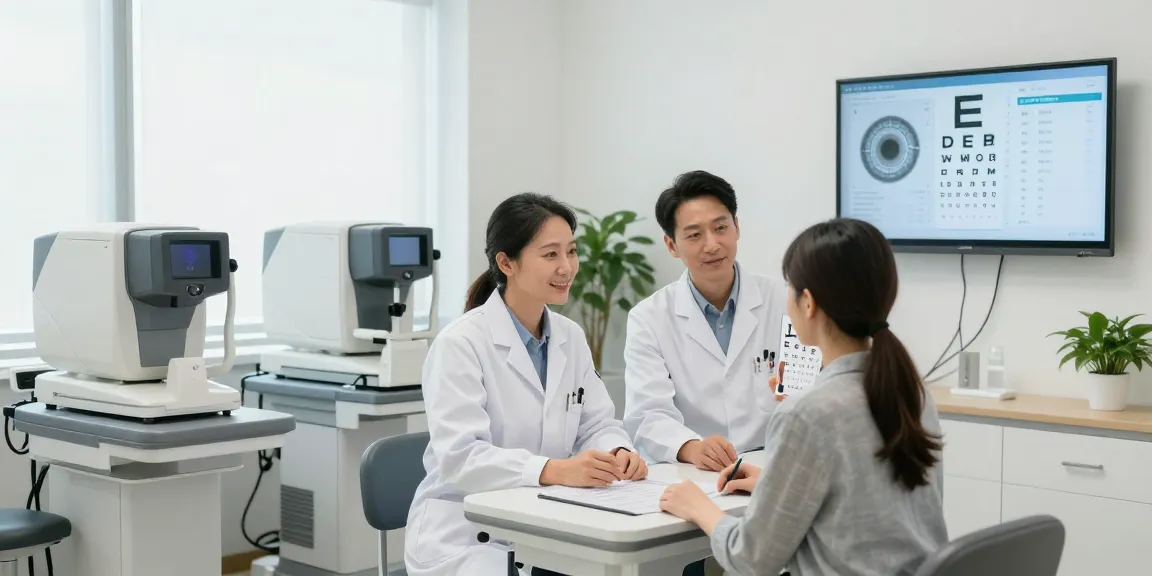
Regular eye examinations are crucial for identifying potential problems before they escalate into serious conditions. During a comprehensive eye exam, trained professionals utilize advanced diagnostic equipment to assess eye health and vision acuity. Conditions such as glaucoma, cataracts, and diabetic retinopathy can often remain undetected without regular screenings. Early detection allows for timely intervention, reducing the risk of irreversible damage to vision.
Common Eye Conditions and Their Treatments
Several common eye conditions affect individuals worldwide. Understanding these conditions and their treatments can empower patients to take an active role in their eye health:
- Myopia: Typically treated with corrective lenses or refractive surgery.
- Hyperopia: Corrected with glasses, contact lenses, or laser surgery.
- Astigmatism: Managed with toric lenses or surgery.
- Presbyopia: Addressed with bifocals or multifocal contact lenses.
- Cataracts: Surgically removed through phacoemulsification.
Innovative Technologies at SNU Eye Clinic
At SNU Eye Clinic, the integration of cutting-edge technology into patient care is a hallmark of their services. This facility is equipped with advanced diagnostic equipment and employs the latest surgical techniques to ensure precision and efficacy in treatment.
Advanced Diagnostic Equipment and Techniques
The clinic utilizes a variety of high-tech diagnostic tools that provide precise measurements and insights into each patient’s eye health. Equipment includes optical coherence tomography (OCT), which allows for detailed imaging of the retina, and corneal topography systems that map the surface of the cornea. These diagnostic tools are crucial for establishing an accurate treatment plan.
Understanding ICL and Toric ICL Procedures
The Implantable Collamer Lens (ICL) procedure is a revolutionary method for vision correction, particularly for patients with severe refractive errors who are not candidates for LASIK. Toric ICLs cater specifically to those with astigmatism. The ICL is inserted into the eye to enhance vision, offering a permanent solution without altering the cornea.
Benefits of Cutting-Edge Surgical Methods
Utilizing modern surgical methods, such as laser-assisted surgeries and minimally invasive techniques, patients experience reduced recovery time, less discomfort, and improved visual outcomes. The SNU Eye Clinic prides itself on its high success rates and commitment to patient safety through meticulously performed procedures.
Personalized Patient Care Approach
Personalizing patient care is a cornerstone of SNU Eye Clinic’s philosophy. The focus on individualized treatment plans ensures that every patient receives care tailored to their specific needs and circumstances.
1:1 Vision Correction Plans
SNU Eye Clinic offers 1:1 vision correction plans, allowing specialists to work closely with patients to design the best possible solutions for their vision issues. Each plan factors in the patient’s overall health, lifestyle, and visual demands.
Comprehensive Evaluation Process
The clinic’s comprehensive evaluation process includes an extensive range of tests to assess eye health and vision quality. This thorough approach helps uncover not only visible issues but also underlying concerns that may require attention.
Patient Testimonials and Success Stories
Hearing from previous patients often provides reassurance to prospective clients. Numerous testimonials highlight the life-changing effects of treatments received at SNU Eye Clinic, showcasing successful vision corrections and improved quality of life, making them a trusted choice for eye care in Korea.
Preparing for Your Eye Surgery
Understanding what to expect when preparing for eye surgery can alleviate anxiety and enhance the overall experience for patients. Knowledge is a powerful tool in managing expectations and planning for recovery.
What to Expect Before the Procedure
Prior to surgery, patients undergo a pre-operative assessment, which includes detailed measurements and discussions about the procedure. Patients are encouraged to ask questions and ensure they are fully informed about the steps involved.
Post-Operative Care and Recovery
Post-operative care is essential for optimal healing and visual recovery. Patients receive specific guidelines regarding medication use, activity restrictions, and follow-up visits. Adhering to these instructions significantly increases the surgery’s success rate.
Long-term Vision Maintenance and Follow-ups
Long-term vision maintenance includes regular follow-up appointments to monitor the health of the eyes and the success of the surgery. Building a relationship with eye care professionals can help manage any emerging issues and ensure continued eye health.
Future Trends in Eye Care and Surgery
The future of eye care is bright as advancements in technology and treatment methodologies continue to progress. Innovations promise to enhance patient outcomes and expand the horizons of what is possible in vision correction.
Emerging Technologies in Ophthalmology
New technologies, such as gene therapy and smart lenses, are on the horizon, promising to revolutionize how eye conditions are treated. These advancements can potentially lead to breakthroughs in treating previously untreatable conditions.
Predictions for Vision Care Innovations by 2026
By 2026, many experts predict that AI will play a significant role in diagnostics, offering precision in identifying issues and recommending treatment. Enhanced telemedicine options may further increase accessibility for patients seeking eye care.
How SNU Eye Clinic is Leading the Way
As a leader in the field, SNU Eye Clinic is committed to incorporating the latest technologies into their practices, ensuring that they remain at the forefront of eye care innovation. Their ongoing commitment to research and development guarantees that patients receive cutting-edge solutions tailored to their needs.
What is the role of patient education in eye care?
Patient education is vital in promoting proactive eye health. By empowering patients with knowledge about their conditions, treatment options, and preventive measures, clinics can foster a collaborative approach to eye care that enhances outcomes.
How can I assess my need for eye surgery?
Assessing the need for eye surgery involves considering factors such as the severity of vision impairment and the impact on daily life. Consulting with a qualified eye care professional can help identify the best course of action tailored to individual needs.
What are the risks associated with vision correction surgery?
As with any surgical procedure, risks exist, including infection, dry eyes, or visual disturbances. Thorough discussions with an ophthalmologist can help mitigate these risks and prepare patients for what to expect.
What makes SNU Eye Clinic unique in eye care?
SNU Eye Clinic distinguishes itself through its commitment to high-quality care, innovative technologies, and personalized treatment plans. Their extensive experience in performing a vast number of surgeries ensures that patients receive expert care tailored to their circumstances.
What should I consider before choosing an eye clinic?
Key considerations include the clinic’s reputation, the experience of its surgeons, the range of services offered, and patient testimonials. Conducting thorough research can lead to informed choices that positively affect eye health.


